
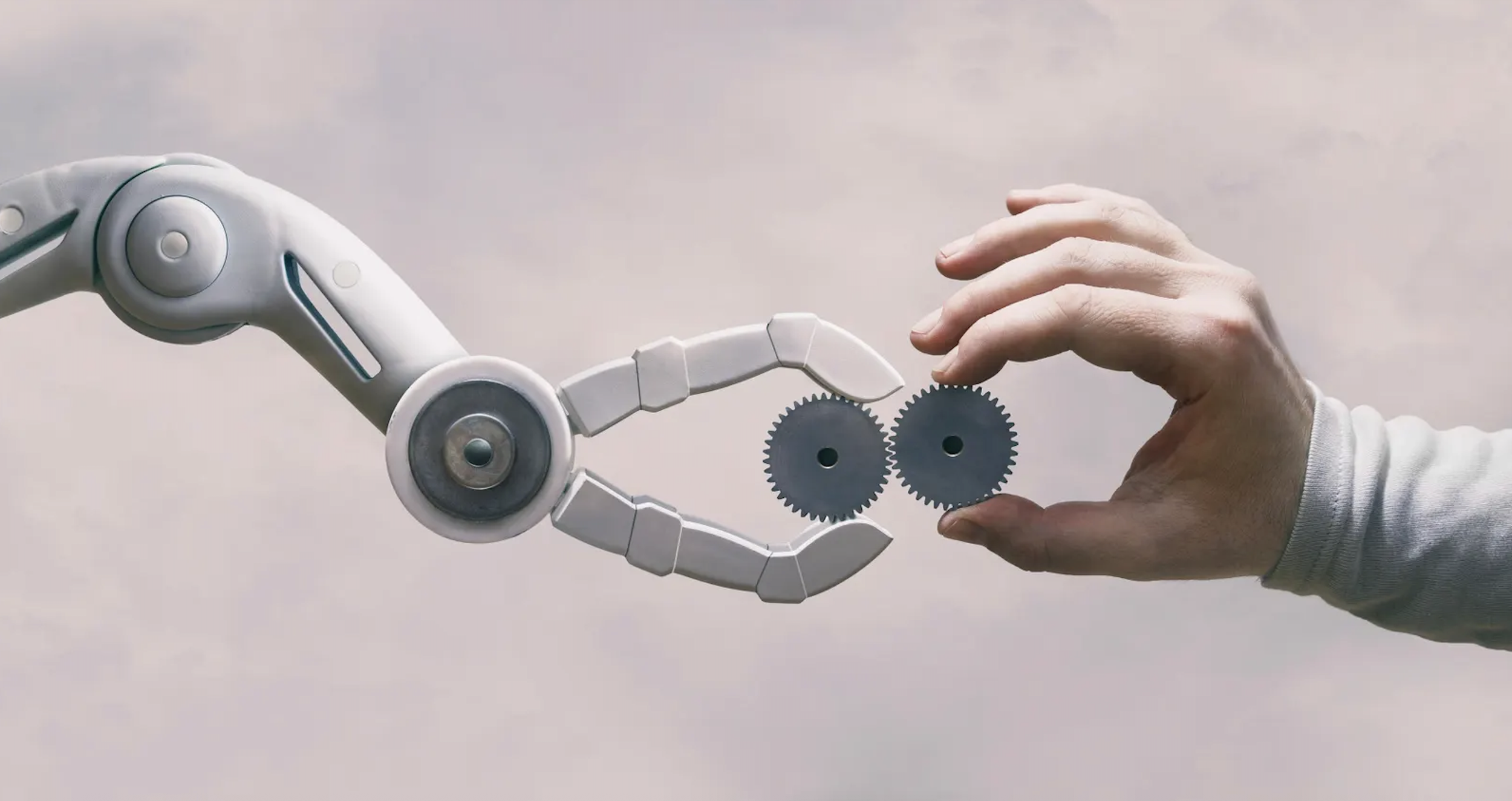
At a growing number of fast-casual restaurants, something subtle but powerful is happening behind the counter. Tasks are becoming smoother. Orders are flowing faster. Teams are moving with more confidence. And customers, often without realizing why, are experiencing better food, shorter waits, and warmer interactions.
This shift is driven in part by automated makeline technology, championed by brands like Chipotle, Cava, and innovators such as Hyphen. Their investments, recently highlighted by CNBC, point to a simple but important truth: operational excellence is inseparable from the guest experience. But the bigger story isn’t the robots - it’s the people they help. And for the convenience store sector, this moment signals a significant shift in how future-ready foodservice will be designed, staffed, and experienced.
A Better Way of Working — Not a Replacement for Workers
In many ways, this inflection mirrors what Starbucks uncovered through its Siren Craft System pilot. Baristas weren’t asking for automation to replace them, they were asking for tools that make their work feel better. Their routines became more manageable. Their confidence grew. Their ability to connect with customers expanded. C-stores face similar pressures:
high employee turnover
growing demand for high-quality foodservice
digital orders increasing in frequency
the need for faster throughput without sacrificing warmth
Automation, when thoughtfully introduced, eases the burden on teams rather than adding to it. A well-integrated makeline can reduce complexity, anticipate demand, streamline food preparation, and free staff to focus on what defines great convenience retail: hospitality, friendliness, community connection, and the little moments that turn quick stops into daily rituals. It is not about removing the human touch, it is about giving people the capacity to show up as their best selves.
Quiet Shifts, Big Outcomes
In c-stores, even small operational changes can have outsized impacts. Think of a morning rush when the breakfast queue begins to form, or a lunchtime swell of orders placed through an app, or an afternoon snack mission driven by impulse. Automation can help teams manage these rhythms with less stress and more consistency, much like Starbucks’ shift to new beverage sequencing. A routine changes, and suddenly:
wait times shrink
staff feel more supported
quality stays high
customers feel seen and prioritized
This is not a futuristic overhaul. It’s an evolution, one that respects both craft and convenience.
The Future of Convenience Must Embrace Digital Ordering
One of the most urgent lessons c-stores must take from fast casual: order-ahead and mobile ordering are no longer optional. Fast-casual restaurants have adopted these technologies aggressively because they see c-stores eating into their market share. Meanwhile, customers increasingly expect the ability to:
place an order en route
skip the line
pick up quickly without friction
customize with accuracy
C-stores that want to maintain the “convenience” advantage must move quickly. Digital ordering doesn’t just optimize operations - it enhances dwell time, improves flow, and deepens brand familiarity. It is the new table stakes.
Designing the Theater of Foodservice — Without Losing the Craft
For c-stores, this opens a design opportunity: What do you want customers to see? What do you want them to feel? What story should your foodservice area tell?
At BDL Partners, we believe automation shouldn’t be hidden. It should be woven intentionally into the architecture of the space, reinforcing brand confidence, cleanliness, quality, and care. Automation can become part of the theater, not something tucked away:
transparent production zones
clean, calm sequencing
intuitive customer flow
warm, human interactions framed by efficiency
Customers notice when operations feel effortless. They feel it in the ease of ordering, the speed of service, and the confidence of the staff.
A Blended Future: Speed, Quality, Connection
As we enter 2026, the future of c-store foodservice will not be defined by technology or people. It will be defined by the blend of both:
Automation driving speed and consistency
Staff delivering hospitality and community connection
Digital ordering optimizing flow and convenience
Design elevating the theater and emotional experience
The stores that rise will be the ones that understand this simple truth: convenience is human and technology, when used thoughtfully, makes the human moments even better.
At BDL Partners, we believe the next era of c-store innovation belongs to brands that seamlessly merge operational intelligence with emotional resonance. Stores where speed and quality coexist, and where the people remain at the heart of the experience.
If you’re preparing your 2026 strategic store design that helps integrate automation and enhances customer connection, we’d love to talk.